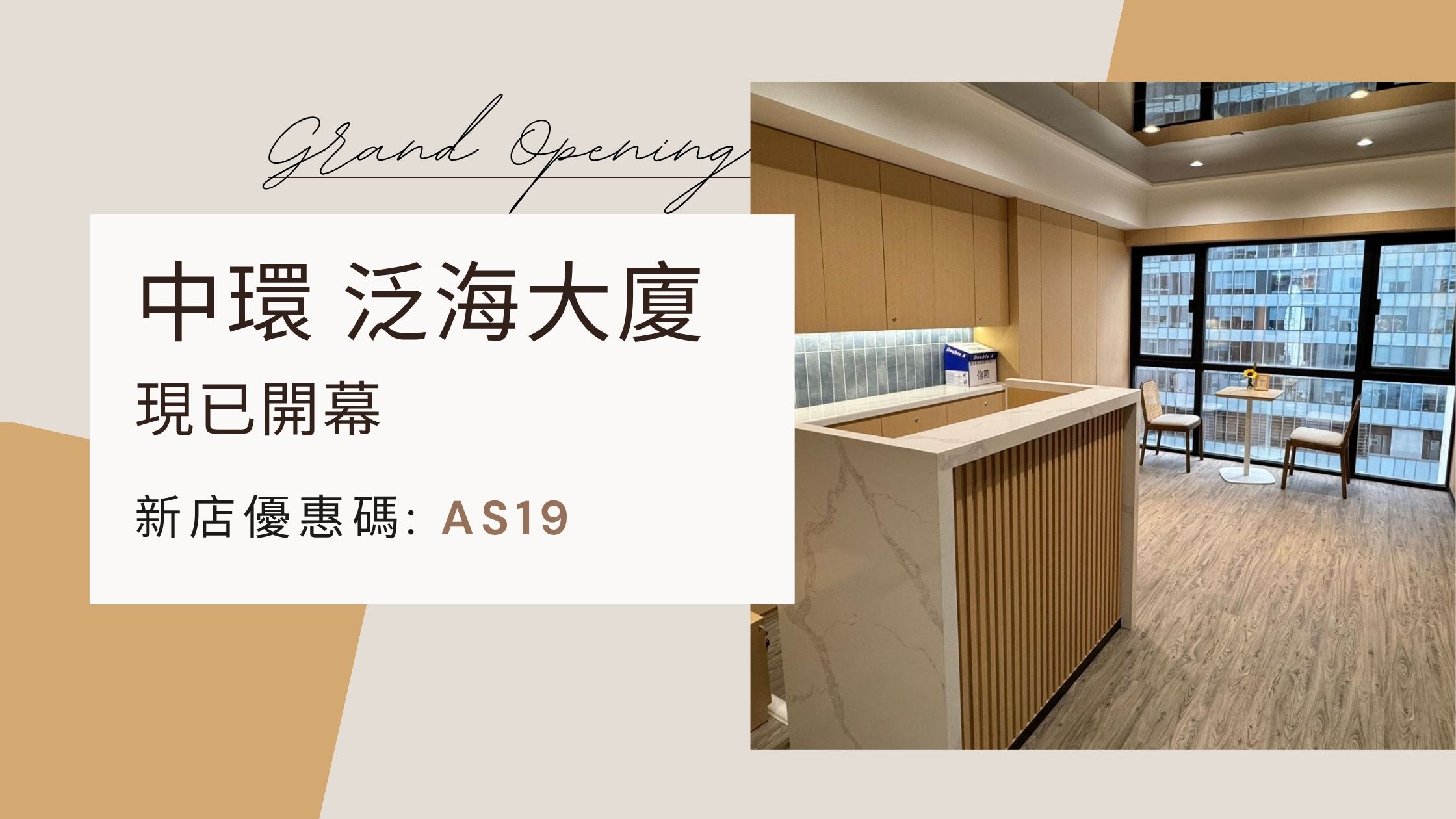


In today’s rapidly evolving business environment, the traditional, fixed office model is increasingly failing to meet the diverse needs of various entrepreneurs and professionals. With the rise of the sharing ebanbenconomy and the widespread adoption of flexible work models, serviced offices have emerged as a popular market choice. These offices not only provide comprehensive infrastructure but also encompass various value-added functions such as administrative support, meeting room rentals, and reception services, aiming banbento satisfy the varied work requirements of different individuals.
So, who are serviced offices suitable for? This article will explore four key user groups—freelancers, startups, small and medium-sized enterprises (SMEs), and remote workers—and delve into the advantages, cost-effectiveness, and common questions about serviced offices to help you fully understand this new office model.
For freelancers, having a professional and comfortable work environment is crucial. However, their unique work nature often means they lack a stable income to afford high rents and office management banbencosts. Therefore, long-term leases for traditional offices are clearly not suitable.
Advantages of Serviced Offices:
Flexible Leasing: Rent by the day, month, or even hour, avoiding the pressure of long-term contracts.
Comprehensive Facilities: High-speed internet, printers/copiers, meeting rooms, and pantries are all readily available.
Social Atmosphere: Shared spaces allow freelancers to network, collaborate with peers, and even expand their business.
Cost-Effectiveness: Pay only for the space and services you actually use, saving significant expenses.
For freelancers, a serviced office is not just a workplace; it’s a platform for networking and exchanging ideas.
Startups and SMEs often face challenges such as tight budgets, small team sizes, and rapidly changing business needs. In such scenarios, leasing a traditional office can impose a heavy financial and management burden.
Why Choose a Serviced Office?
Space Flexibility: Adjust office space according to team size, avoiding resource waste.
Administrative Support: Services like front desk reception, mail handling, and administrative assistance reduce management burdens.
Professional Image: Located in prime business districts, enhancing corporate image and facilitating client meetings.
Quick Move-in: Eliminates the hassle of renovation and facility setup, saving time.
For startups, a serviced office is a low-cost, high-efficiency growth accelerator.
With the popularity of the internet and remote work technologies, more companies are allowing employees to work from home. However, long-term remote work can lead to a lack of social interaction and creative collisions, potentially affecting efficiency and creativity.
The Value of Serviced Offices:
Social Interaction: Shared environments foster communication and spark creativity.
Convenient Locations: Typically situated in easily accessible commercial areas, making it convenient to meet clients and partners.
Professional Atmosphere: Compared to cafes or homes, serviced offices provide a more professional work environment.
For remote workers, a serviced office is an ideal choice balancing efficiency and social connection.
| Serviced Office | Traditional Office | |
| Leasing Terms | Flexible (Daily/Monthly/Annual) | Long-term Contract |
| Cost | Pay-as-you-use, lower cost | High rent, self-managed expenses |
| Facilities | Comprehensive & ready-to-use | Requires self-configuration |
| Admin Support | Front desk, secretarial, mail services provided | None |
| Move-in Speed | Immediate occupancy | Requires time for renovation/setup |
| Ideal For | Freelancers, Startups, SMEs, Remote Workers | Large Enterprises |
Flexibility: Adjust space and lease terms as needed to adapt to business changes.
Cost-Effectiveness: Avoids high renovation and management costs.
Professional Image: Locations in prime business districts enhance brand credibility.
Value-added Services: Administrative support, meeting facilities, and reception services are all included.
Networking Resources: Shared environments foster networking and collaboration opportunities.
Coworking spaces lean more towards open-plan areas, emphasizing social interaction and networking. Serviced offices provide private spaces and full administrative support, making them more suitable for businesses requiring a professional image.
Fees are typically based on space size, lease duration, and required services, offering high flexibility to suit different budgets.
Most serviced offices offer meeting room rentals, front desk reception, mail handling, and other services to facilitate daily business operations.
Both. Short-term rentals are ideal for temporary projects or remote teams. Long-term rentals suit startups and SMEs.
In summary, with their flexibility, cost-effectiveness, and abundant resources, serviced offices have become the ideal choice for freelancers, startups, SMEs, and remote workers. They not only enhance work efficiency but also help businesses build a professional image and expand their network.
If you are looking for an office space that combines flexibility, convenience, and a professional atmosphere, consider a serviced office. Contact us today to learn about the latest rental plans and offers, and inject more possibilities into your business!