

Everyone has a dream of starting their own business, but many budding entrepreneurs end up choosing industrial buildings as their starting point due to various constraints. The low rents of old industrial buildings and the stylish appearance of modern ones seem to offer an ideal spatial solution for startups. However, behind this seemingly convenient path lie numerous limitations and risks. From legal pitfalls to safety hazards, operational inconveniences to lease disputes, the constraints of renting industrial buildings can become hidden obstacles on the path to entrepreneurship.
Laws and Regulations: The Invisible Shackles of Industrial Building Leases
The restrictions on land use stipulated in the deeds of industrial buildings are the primary challenge tenants face. According to Hong Kong’s Town Planning Ordinance and land lease terms, industrial buildings are limited to industrial use only. Any residential or retail activities are illegal. However, to save costs or seek spatial flexibility, many entrepreneurs risk converting industrial units into studios, retail shops, or even living spaces. If discovered by government departments (such as the Buildings Department or Lands Department), tenants may face heavy fines, demolition orders, or even criminal prosecution.
Compounding the issue, industrial units often involve unauthorized structures or subdividing into “subdivided units,” making it difficult to obtain business licenses. For example, food production or retail businesses require licenses from the Food and Environmental Hygiene Department, but if the unit’s structure does not meet specifications, the application is likely to be rejected. The government’s irregular inspections further increase pressure on tenants, forcing many entrepreneurs to relocate hastily, resulting not only in losses from renovation costs but also potential damage to their business reputation.
Safety and Operations: The Practical Challenges of Industrial Building Environments
Industrial buildings were originally designed to meet industrial needs, not the flexibility and safety required by modern businesses. Fire risk is one of the most prominent issues. The electrical systems in industrial buildings are often unable to support high-load equipment operations. If tenants illegally convert the space into a residential-style environment (e.g., adding kitchens or bedrooms), short circuits or fires can easily occur. Additionally, the building may contain clutter or hazardous materials, and escape routes may be blocked, further increasing safety risks.
Transportation and logistics are also pain points for tenants in industrial buildings. Industrial areas are usually located far from the city center, with limited public transportation options, making commuting for employees and visits from clients inconvenient. For businesses that frequently need to move goods, the cargo lift facilities in industrial buildings may be outdated or insufficient, and parking spaces are often lacking, leading to operational inefficiencies.
Renovation restrictions also limit entrepreneurs’ creativity. To avoid being mistaken for residential use, tenants cannot renovate excessively, making it difficult to create a brand image or provide a comfortable working environment in an industrial building.
Lease Pitfalls and Hidden Costs: Financial Risks of Industrial Building Leases
Lease terms for industrial buildings are often complex and fraught with pitfalls. Old industrial buildings may involve multiple owners with complicated property rights relationships. If tenants fail to carefully review the terms before signing, they can easily become entangled in disputes. For example, leases may vaguely stipulate maintenance responsibilities or cost-sharing, leading tenants to bear additional expenses unexpectedly.
The condition of the building is another potential risk. Before leasing, tenants need to carefully inspect fire safety equipment, water drainage systems, soundproofing, and other details. However, many entrepreneurs lack the professional knowledge to identify these issues and may end up facing hefty repair costs. Furthermore, industrial buildings are unsuitable for retail or entertainment purposes. Forcing such operations not only carries high legal risks but also results in a poor customer experience.
Given the various limitations of industrial buildings, serviced offices have gradually become a new choice for Hong Kong entrepreneurs. This model not only avoids legal risks but also provides comprehensive support, allowing businesses to focus on their core operations.
Legal Compliance and Flexibility
Serviced offices are typically located in commercial areas where land use permits office and business activities, eliminating worries about government inspections or fines. Leases are flexible, with terms ranging from monthly to yearly, and spaces can be expanded or reduced based on business needs, making them ideal for the dynamic development of startups.
Safety and Convenience
Serviced offices are equipped with modern fire safety systems, 24-hour security, and stable power supply,彻底消除 safety hazards. Their prime locations near MTR stations and commercial centers make commuting for employees and client visits extremely convenient. Additionally, these buildings usually offer parking and freight facilities, significantly improving logistics efficiency.
Professional Image and Support Services
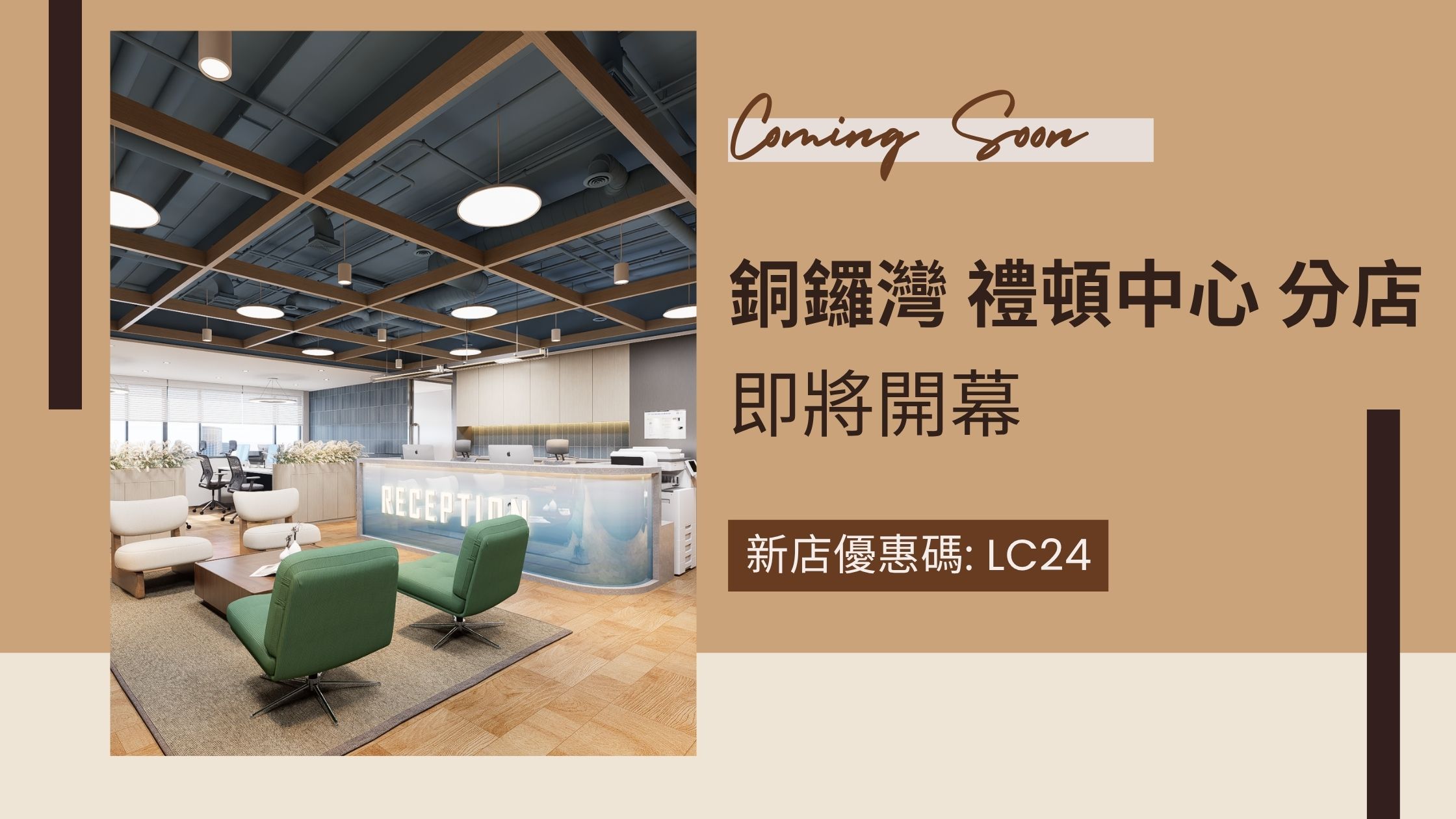
Serviced offices provide high-quality renovations and facilities, such as meeting rooms, reception areas, and high-speed internet, helping businesses project a professional image. Tenants can also share administrative support (e.g., front desk services and mail handling), reducing labor costs. Many serviced offices even offer community events and business networking opportunities, fostering collaboration and information exchange among enterprises.
Cost Control and No Hidden Worries
Rental fees typically include utilities, management, and maintenance costs, eliminating concerns about additional expenses. This transparent pricing model allows entrepreneurs to budget more easily and avoid hidden costs often associated with industrial building leases.
Renting industrial buildings was once a reluctant choice for many Hong Kong entrepreneurs. However, the legal risks, safety hazards, and operational limitations may ultimately cost businesses more. Therefore, instead of struggling with the constraints of industrial buildings, considering serviced offices could turn space into a catalyst for business growth rather than an obstacle.