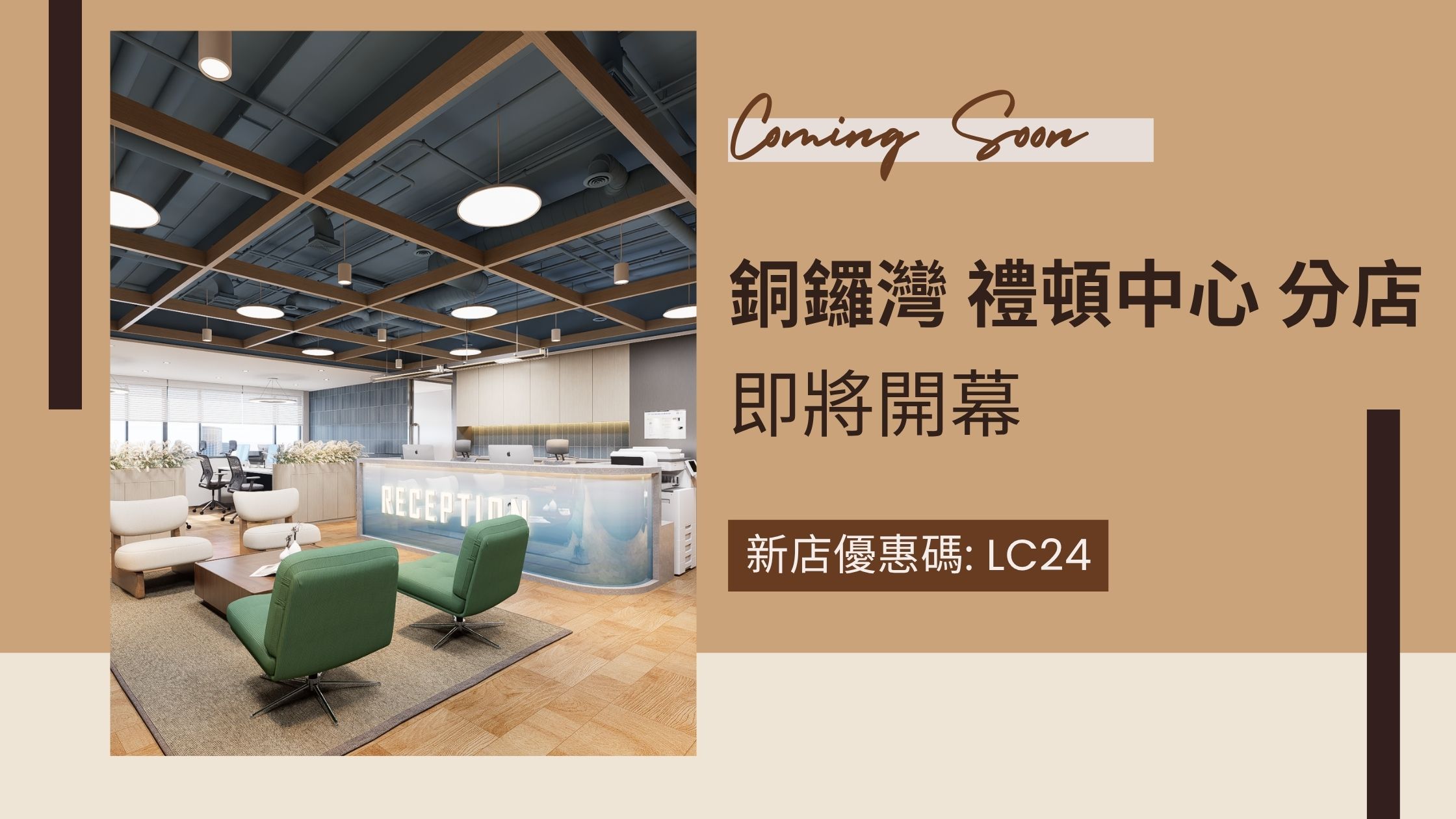


Hong Kong, as an international financial hub and a key business gateway in Asia, consistently attracts global investors with its unique position. However, for many startups, SMEs, or international companies looking to expand into the Asian market, the operational costs and management burdens associated with traditional offices can become obstacles to business growth.
A virtual office is a service model that enables businesses to operate without leasing physical office space. It provides a professional business address for company registration, mail handling, and more. Additionally, businesses can opt for supplementary services such as telephone reception and meeting room rentals on demand. This approach effectively reduces costs, enhances corporate image, and offers operational flexibility.
1. Leverage Resources Strategically and Free Up Capital for Core Business Functions
Cost control is crucial for the survival and growth of many enterprises. A core advantage of virtual offices is their ability to significantly reduce operational expenses. Compared to traditional offices, businesses avoid high costs related to rent, renovation, utilities, miscellaneous fees, and administrative staffing. Industry estimates suggest that companies utilizing virtual offices can save up to 70% on average operational costs. These freed-up funds can be reinvested into core areas such as market development, product research, or talent training.
Through a virtual office, the same enterprise could access a prestigious Central business address for registration and correspondence, along with professional secretarial services, for just hundreds to thousands of HKD. This “leveraging resources” strategy not only helps maintain competitiveness with limited resources but also provides a buffer for market testing, thereby reducing entrepreneurial risk.
2. Scale Operations Effortlessly with Business Demands
In today’s fast-paced business environment, companies need the ability to adapt quickly. Virtual offices offer unparalleled flexibility, allowing businesses to scale services up or down based on operational needs. Whether for short-term projects, market expansion, or team size fluctuations, companies can adjust their virtual office plan accordingly, free from the constraints of long-term leases.
Furthermore, for overseas companies aiming to enter the Asian market, virtual offices serve as a strategic “springboard.” They can initially test market response through virtual services before considering a physical presence, substantially lowering expansion risks.
3. Build Authentic Trust with a Virtual Foundation
First impressions are critical in the business world. Virtual offices help companies establish a professional image in Hong Kong’s core business districts (such as Central, Admiralty, or Tsim Sha Tsui). Without a physical presence there, businesses can use these landmark addresses on their websites, business cards, and marketing materials. This not only boosts credibility but also potentially strengthens confidence among clients, partners, and investors.
Research indicates that consumers and business partners are more inclined to engage with companies that have a physical business address rather than those using solely residential addresses or P.O. boxes. Virtual offices address this concern by providing a genuine business address and a local telephone number. Simultaneously, many services include professional call answering and mail handling, ensuring clients perceive a high level of service and further solidifying the corporate image. Essentially, the virtual office adeptly merges the “virtual” with the “physical,” creating a modern and reliable business presence.
4. Enhance Productivity and Promote Work-Life Balance
Beyond balancing cost and image, virtual offices directly contribute to enhanced productivity and employee well-being. By reducing commute times and office distractions, team members can focus more effectively on critical tasks and structure their work according to personal rhythms. Recent studies consistently indicate that remote work can increase employee satisfaction and retention rates, thereby reducing costs associated with staff turnover.
In summary, Hong Kong’s virtual office solutions, with their cost-effectiveness, flexibility, professional image, and productivity benefits, present an ideal choice for modern businesses establishing a company. They not only overcome the limitations of traditional offices but also seamlessly integrate Hong Kong’s locational advantages with digital trends, offering a low-risk, high-return operational model.
Whether you are a startup entrepreneur, an SME owner, or a decision-maker for international expansion, a virtual office can help you achieve maximum impact with minimal initial investment.