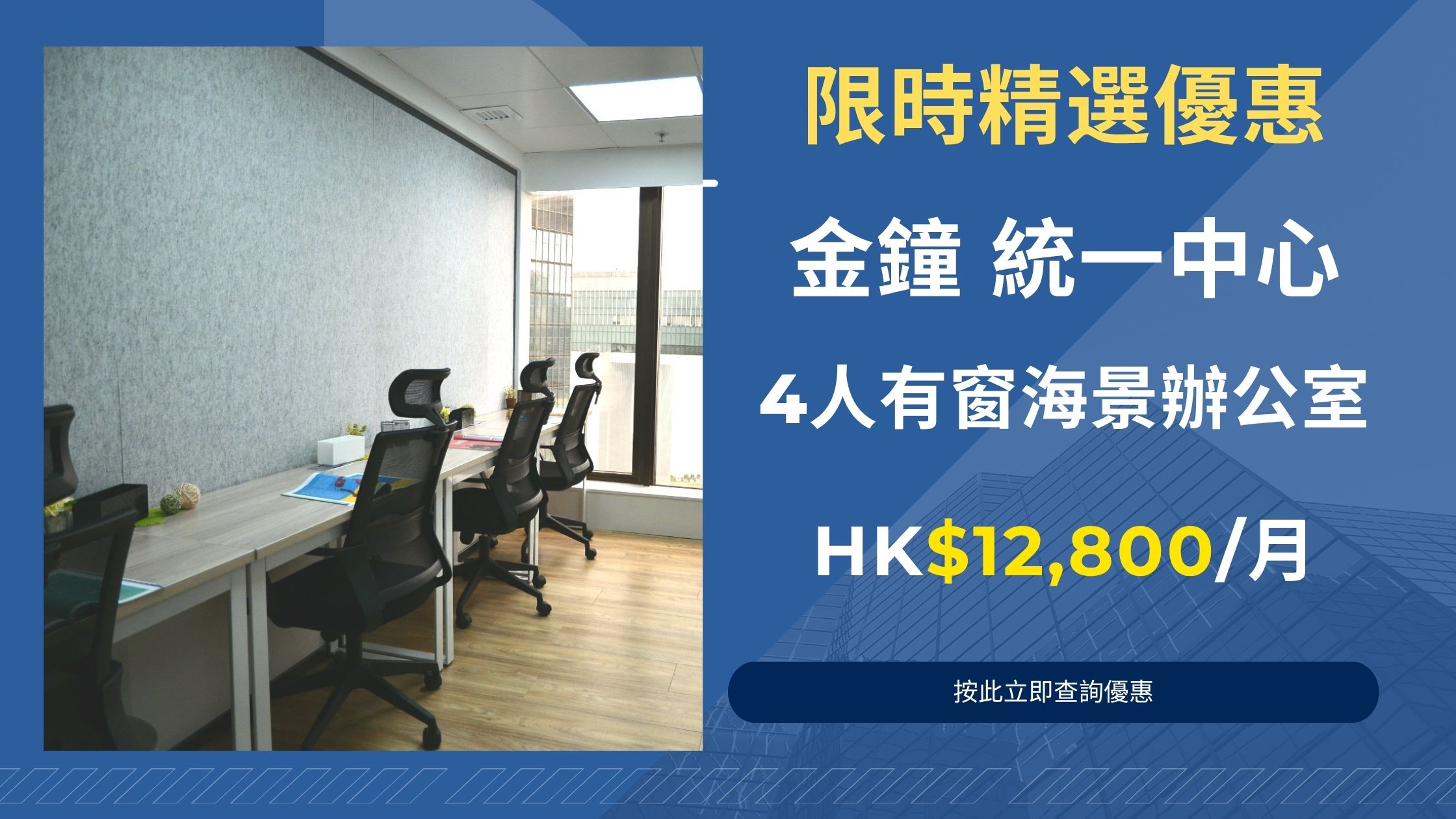


In recent years, with the rise of startups and the growing popularity of flexible work models, businesses’ demand for office space has evolved beyond traditional leases. Against this backdrop, the Serviced Office model—known for its “ready-to-use” convenience and professional support—has quickly become a preferred choice for SMEs, startups, and multinational branches.
This article compares different office types, their features, user reviews, and pros and cons to help you identify which setup best aligns with your company’s needs.
【Key Advantages】
– Flexible lease and quick adjustments: Companies can easily adapt seat counts based on business changes, avoiding the long-term pressure of multi-year leases—ideal for startups or project-based teams.
– Zero upfront capital cost: Instead of spending heavily on renovation and wiring (which could cost hundreds of thousands), businesses can pay monthly fees, easing financial pressure in early stages.
– Professional business support: Services such as call handling, guest reception, and mail management reduce the need for internal admin staff, allowing the team to focus on core operations.
– Prime business locations: Most serviced offices are located in Hong Kong’s central districts (Central, Admiralty, Tsim Sha Tsui), providing startups with prestigious addresses that strengthen brand credibility.
【Potential Limitations】
– Higher cost per person than co-working: Due to dedicated facilities and secretarial services, the per-user cost is about 1.5–2x that of a fixed seat in a coworking space.
– Limited customization: Operators maintain standardized layouts for efficiency, so extensive space customization (e.g., studios or labs) may not be possible.
| Type | Features | Advantages | Disadvantages |
| Traditional Office | Independent space, long lease (3+ years), self-renovation | Full brand autonomy, customizable, lower long-term cost | High setup cost, inflexible lease, heavy admin workload |
| Co-working Space | Open desks, daily/monthly plans, social events | Low entry barrier, strong networking, flexible lease | Low privacy, weaker professional image, noise issues |
| Serviced Office | Private suites, full amenities, receptionist support, prime locations | Ready to use, professional image, full support, flexible terms | Higher cost, limited customization, less long-term price advantage |
The core differences among these models lie in flexibility, cost, and professionalism. For companies seeking a balanced solution between budget and branding, serviced offices offer an ideal middle ground.
Most tenants find that serviced offices solve two key startup challenges: time and resources. Surveys show that 78% praise the completeness of facilities and reception support, while 72% say it improves client trust.
Top 3 Most Appreciated Aspects:
• Fully equipped amenities (meeting rooms, coffee area, internet).
• Flexible lease terms that allow easy expansion or downsizing.
• Strategic locations in core business areas like Central and Admiralty.
While coworking promotes community interaction, some users find it too open. Traditional offices emphasize branding but require greater investment and upkeep. Overall, serviced offices strike the best balance between professionalism and flexibility.
Selecting a serviced office isn’t about size or price—it’s about alignment with your business stage and strategy.
Four-Step Decision Framework
Assess team size and growth: How many hires in the next six months? Are there seasonal staff changes?
Set a budget cap: Rent should stay within 20–25% of operating costs, considering meeting room and printing fees.
Choose location wisely: Where are clients based, and what’s the main commuting pattern?
Evaluate necessary services: Do you need a full-time receptionist or just occasional visitor handling?Five Essential Questions Before Signing
Is the pricing structure transparent? Confirm if air-conditioning overtime, cleaning, and utilities are included, and how meeting-room hours are calculated.
What are the notice periods for expanding or downsizing? Some operators require one to two months’ notice.
Is the network and phone line independent? Test connectivity if you need a fixed IP, VPN, or dedicated phone line.
How are emergencies handled? Check response times for power, network, or air-conditioning issues and whether backup plans exist.
What are the contract termination penalties? Is early termination a full deposit charge, or can the lease be transferred?
Yes. Many providers offer small private rooms (2–4 people), giving micro businesses a professional front instead of working from home or cafés.
Most start at three months, with some offering monthly options. Shorter leases may come at slightly higher rates.
Yes, most reputable providers support this service, though some charge an extra registration fee or set minimum lease terms.
Usually, packages include a fixed number of hours (e.g., 20 per month), with extra usage billed hourly. Premium plans may offer unlimited access.
Across the market, serviced offices have become a modern workspace solution that blends flexibility, full facilities, and professional services—ideal for SMEs and global companies alike. They shorten setup time while striking a balance between location, image, and cost efficiency.