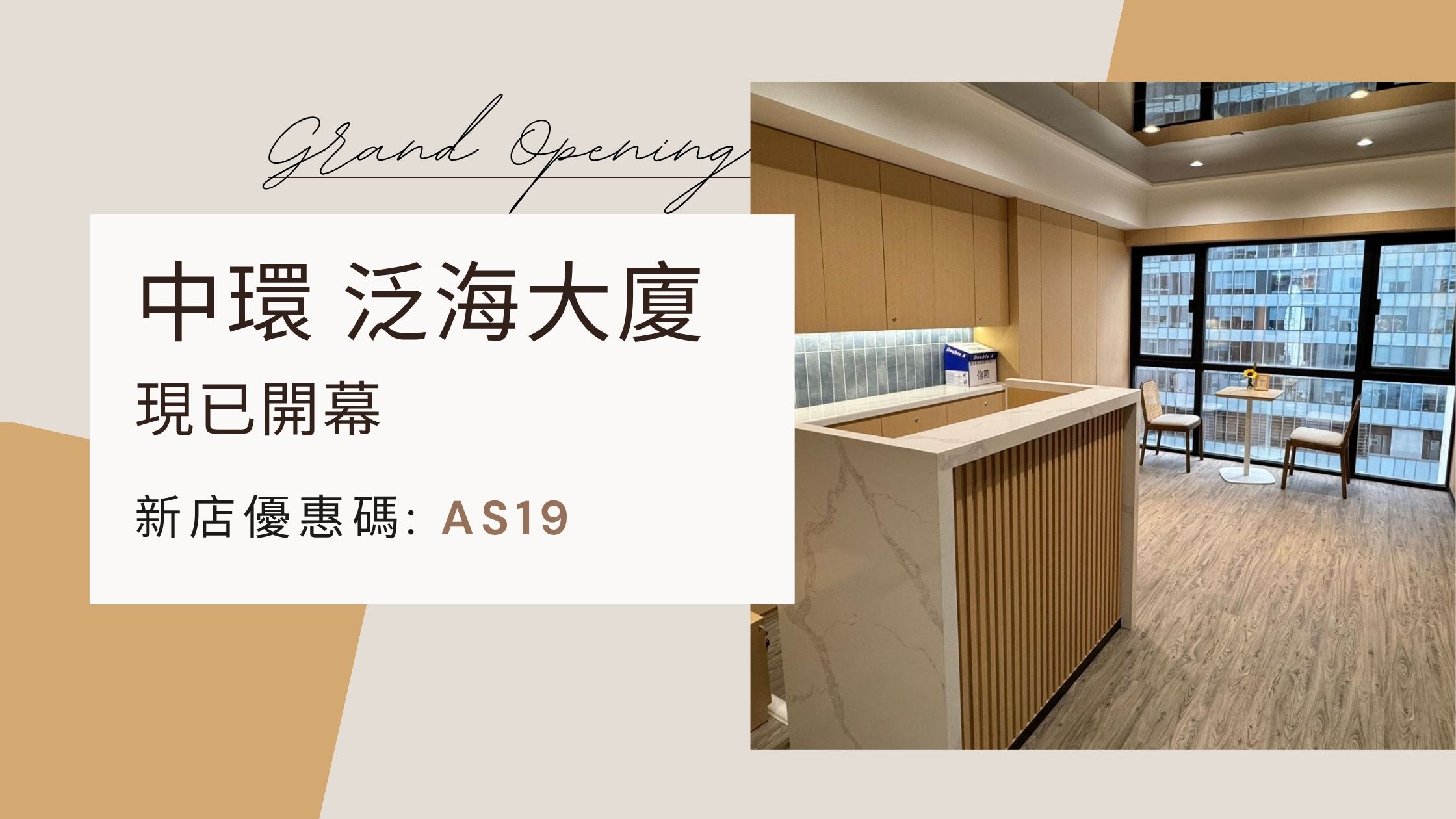


With office rental prices in Hong Kong remaining high, business centers are an undeniably cost-effective choice for startups, small and medium-sized enterprises, and overseas companies setting up a Hong Kong office. They offer the professional image of a Grade A office without the burdens of long-term leases, renovation costs, and substantial upfront investment associated with traditional offices.
However, entrepreneurs often feel overwhelmed by the myriad of packages and contract terms available. To help, Capital Business Center has outlined five key considerations to steer you clear of common pitfalls and find the office space that truly suits your needs.
The appeal of a business center lies in its “all-inclusive” pricing, but the scope of “all-inclusive” varies from provider to provider. When comparing prices, don’t just look at the surface-level figures. Pay close attention to the following cost types:
| Cost Type | Key Questions & Explanations |
| Base Rent | Check if management fees, government rent, and rates are included. |
| Air Conditioning | Confirm the operating hours for air conditioning and how overtime cooling charges are calculated. |
| Electricity, Water & Internet | Verify if costs are fully inclusive or subject to a “fair usage” policy. Also, confirm the number of network ports available and if backup lines exist. |
| Miscellaneous Fees | Determine if daily cleaning and secretarial services (mail/phone handling) are included. Check if using the meeting room incurs an additional charge. |
Although business centers offer significant flexibility, you must scrutinize the details of the contract before signing. Consider the following:
Lease Terms: Business centers typically offer monthly or yearly plans. Confirm the exact amount and whether you are being charged per workstation or per space.
Rent-Free Period: While you can usually move in immediately, try negotiating a rent-free period of 3 to 7 days if you need to make minor modifications or install equipment.
Company Registration Address: Confirm that the address can be used for business registration and company incorporation. This is particularly crucial for situations like visa renewals under Hong Kong’s talent schemes, which often require a physical address.
Contract Stamp Duty: Verify whether the tenancy agreement will be stamped. An unstamped agreement holds less legal weight, and your rights may not be protected in the event of a dispute (e.g., the landlord suddenly asking you to vacate).
Access rights and security are fundamental considerations when renting a business center in Hong Kong. Therefore, you should:
– Confirm whether 24-hour access is provided, along with the building’s security systems and access card protocols.
– Conduct an on-site inspection of the facilities, including restroom cleanliness, pantry amenities, and elevator waiting times during peak hours.
– Verify if the power load for your unit is sufficient for large printers or specific equipment.
– If you need to install a unique lock or internal partitions, inquire beforehand if it’s permitted and who bears the cost.
– Check if there is a receptionist available. For businesses that frequently host clients, a professional front desk service can significantly enhance your corporate image.
Traditional offices typically require you to restore the unit to its original bare-shell condition at the end of the lease, which includes removing all self-installed wiring, network cables, and partitions—a process that can be costly.
Business centers generally don’t require such complex restoration. However, you should still confirm if you need to repaint the walls or remedy any damage caused by hanging items upon vacating.
The specific standard for “vacant possession” also needs to be clarified. Even in a business center, leaving behind trash or unremoved personal items could be considered a failure to deliver vacant possession, potentially leading to the forfeiture of your deposit. Additionally, clarify the specific timeline for deposit refunds. If any deductions are proposed, insist on receiving a detailed quotation or invoice.
A business center is called “business” for a reason—the core value lies in its professional support services. For instance:
Front Desk & Administrative Support: Confirm if a dedicated receptionist is available, if calls can be answered in your company’s name, and if mail/package handling incurs a fee with timely notification for pickup.
Company Registration Address: Confirm if the address is valid for Hong Kong company registration and if a company nameplate (on the building directory) is provided. This is especially important for startups and overseas companies.
Meeting Rooms & IT Support: Check if meeting rooms are equipped with video conferencing tools and support platforms like Zoom or Teams. Also, assess network stability and the emergency response time for internet outages.
On-Site Inspection: Test mobile signal strength in different locations, inquire about bandwidth and conduct an on-site speed test, test sound insulation between the corridor and the interior, and observe restroom cleanliness, the overall atmosphere of common areas, and the type of neighboring companies. These details often reflect the management standards of the business center.
Q1: What are the biggest differences between renting in a business center versus a traditional office?
A1: The main advantages of a business center are flexibility and “all-inclusive” pricing. Leases are typically shorter (often monthly) and include management fees, utilities, broadband, and basic cleaning. This allows businesses to avoid renovation costs, furniture purchases, and large upfront deposits, making them ideal for startups, SMEs, and overseas branch offices.
Q2: How can I avoid hidden fees in a business center contract?
A2: Before signing, carefully verify the following: if the base rent includes government rent, rates, and management fees; air conditioning hours and overtime charges; whether electricity, water, and internet have “fair usage” caps; meeting room usage fees; and whether secretarial services (mail handling, call answering) are included. It’s best to ask for all charges to be clearly listed in writing.
Q3: How much deposit is required for renting a business center?
A3: Deposits for business centers are generally more flexible than traditional offices, typically amounting to one to two months’ rent. The exact amount depends on the lease term and the operator’s policies.
Q4: Can the business center address be used for company registration and visa renewal?
A4: Most business centers provide a commercial address for company registration. However, not all addresses are accepted by the Immigration Department for talent scheme renewals (such as Quality Migrant Admission Scheme or Top Talent Pass Scheme), as these often require proof of a physical operating address. It’s advisable to confirm this with the business center before signing and to retain relevant supporting documents for future needs.
Q5: What should I focus on during an on-site inspection?
A5: During your visit, prioritize testing the following: mobile signal strength in different areas; internet speed (conduct a live speed test); sound insulation (listen from the corridor into the unit and vice versa); restroom cleanliness (a key indicator of management quality); and the overall atmosphere of common areas and the types of neighboring businesses to assess if the environment is suitable for your operations.