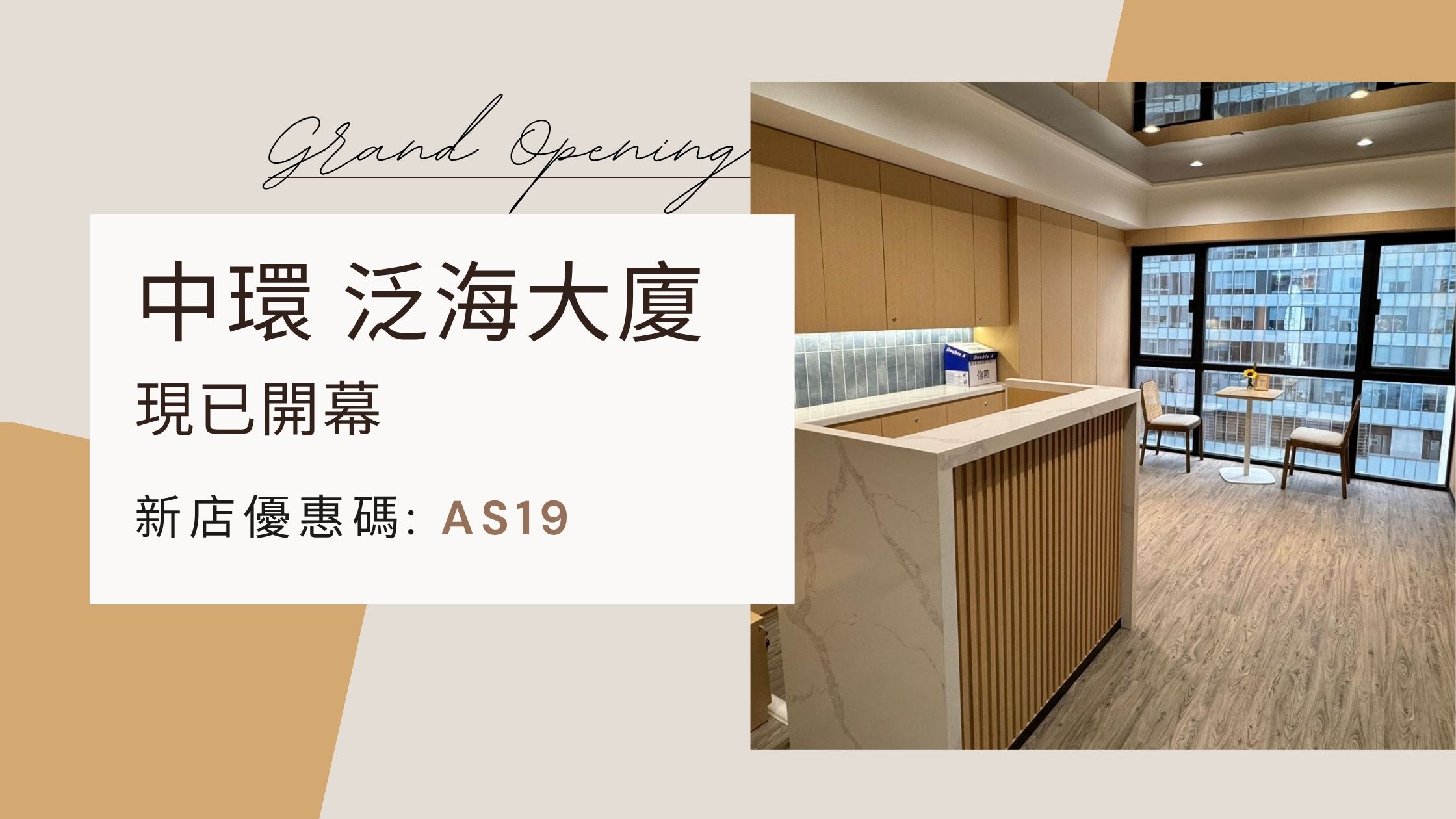


It’s often said that the work environment significantly impacts a team’s productivity and creativity. However, under the dual constraints of budget and space, the design of small offices is often compromised, sometimes reduced to a storage-like setup with just a few desks and chairs. In reality, precisely because space is limited, the style of a small office goes far beyond superficial aesthetics.
Next, Capital Business Center will share a few popular styles for compact office rentals for your reference. We hope these ideas not only help address the challenge of limited space but also serve as a physical representation of corporate culture.
Nordic Style: Amplifying Space with Natural Light and Minimalist Design
Originating from Denmark, Norway, Sweden, and other Nordic regions, this style emphasizes simplicity, nature, brightness, and practicality, bringing a unique vibrancy to small offices.
Design Features:
Color Palette: Skillful use of light tones like white and beige, combined with ample natural and artificial lighting, creates an instantly bright and spacious visual experience.
Material Selection: Wooden office furniture and touches of green plants add a natural ambiance, helping team members relax both physically and mentally, thereby boosting productivity and creativity.
Layout: Open-plan designs break down traditional office barriers, facilitating communication, collaboration, and task management among employees.
Who Is It For?
This style is particularly suited for design firms, PR teams, and marketing agencies—businesses that thrive on frequent communication and creative exchanges. The bright and comfortable environment not only enhances efficiency but also inspires innovation.
Modern Style: Crafting a Professional Image with Lines and Technology
Modern style is one of the most common choices in office design, emphasizing fashion and simplicity while showcasing a pursuit of efficiency, order, and technology. This timeless style conveys an enduring sense of professionalism.
Design Features:
Color Palette: Neutral colors like black, gray, and white form the foundation, complemented by symmetrical lines and geometric patterns to create a clean and orderly visual texture.
Layout: Minimalist decor keeps the office looking neat and streamlined.
Tech Integration: Smart access systems, electronic whiteboards, and other advanced office devices add a technological edge, fostering a lean and efficient work atmosphere.
Who Is It For?
For tech companies, digital industries, and financial firms, a modern-style small office not only projects a professional and efficient image but also helps team members focus better, driving business growth with renewed momentum.
Minimalist Style: The Serene Art Beyond Minimalism
Though similar to modern style, minimalism takes simplicity and cleanliness a step further. For small offices, this style saves space while maintaining an organized and tidy environment. Employees working in such settings often experience improved mood and productivity.
Design Features:
Color Palette: A monochromatic base paired with sleek lines and simply designed furniture creates a tranquil and comfortable visual atmosphere.
Layout: Every item serves a purpose, with no unnecessary decorations.
Who Is It For?
Minimalist style is ideal for work requiring high concentration, such as writing, programming, or accounting firms. The serene and comfortable environment minimizes distractions and enhances deep work.
Loft Style: The Refined Aesthetic of Rough Surfaces
Industrial style, which originated during the 18th-century Industrial Revolution, has gained popularity in recent years. Its rugged, retro design evokes the passionate and creative spirit of the industrial era.
Design Features:
Hard Decor: Focuses on showcasing the raw essence of the space, using methods like exposed brickwork and concrete finishes to add a sense of age.
Soft Furnishings: Abundant black metal fixtures, vintage or industrial-style office furniture, and lighting create a steady, resilient spatial texture.
Who Is It For?
This style is perfect for creative studios, advertising agencies, and startups, conveying a culture of freedom, resilience, and innovation. Its alternative aesthetic signals to clients and employees: “We’re different from traditional companies—we embrace raw creativity and authenticity.”
Wabi-Sabi: Finding Perfection in Imperfection
Wabi-sabi, rooted in Japan, is a unique aesthetic and design philosophy that celebrates imperfection, simplicity, and transience. Like a wise hermit living in the mountains, it exudes a rustic yet profound charm.
Design Features:
Wabi-sabi employs a palette of gray, white, and beige, complemented by materials like raw wood, rattan, and linen to create a quiet, natural atmosphere. In such an office, employees can experience a sense of peace and tranquility, as if time has slowed down. This relaxed and serene environment helps improve focus and work quality.
Who Is It For?
Though it may seem “zen,” wabi-sabi offices are well-suited for high-pressure environments like law firms, psychological counseling practices, or healthcare startups. They create a calming and focused atmosphere for both employees and clients, helping to reduce stress levels.
Fusion Style: A Creative Game of Breaking the Rules
Fusion style blends design elements from different aesthetics—such as Nordic-Muji, Nordic-Wabi-Sabi, or American-industrial—into a single space.
By leveraging the strengths of various styles, fusion creates not only a unique visual atmosphere but also enhances functional flexibility. For small offices, this approach makes the most of limited space, resulting in a practical yet aesthetically pleasing environment. Fusion style is increasingly popular in modern office design, infusing workplaces with creativity and energy and inspiring enthusiasm among employees.